SN74LVC32APWR
- Description
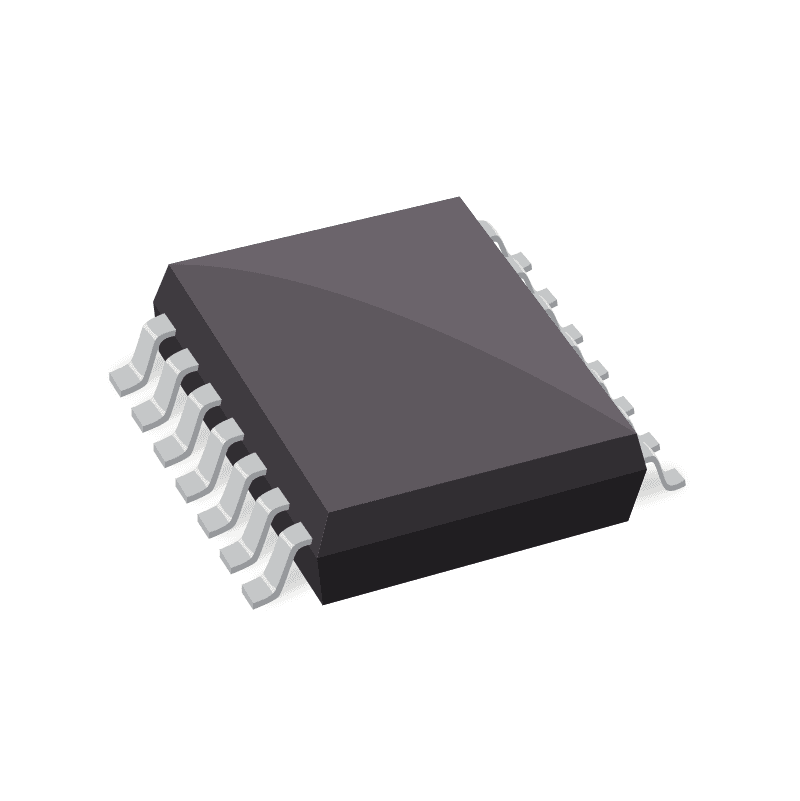
- Four-channel, two-input, 1.65V to 3.6V 24mA drive strength OR gate 14-TSSOP -40 to 125
- Logic Function
- OR
- High Level Output Current
- -24mA
- Low Level Output Current
- 24mA
- Quiescent Current
- 1µA
- Propagation Delay
- 3.6ns
- Datasheet
Quantity
Let us do the sourcing. Even if it's not available now, our team can track it down and tailor a solution just for you.
- Four-Channel Two-Input Logic Function
- Supply Voltage Range: 1.65V to 3.6V
- Drive Strength: 24mA
- Propagation Delay: 3.6ns
- Compact 14-TSSOP Package
The Texas Instruments SN74LVC2G34DBVR is a versatile four-channel, two-input OR gate designed for low-voltage applications. With a supply voltage range of 1.65V to 3.6V, this logic gate offers exceptional drive strength of 24mA, making it suitable for a variety of digital circuits. Packaged in a compact 14-TSSOP, it operates efficiently across a wide temperature range from -40°C to 125°C, ensuring reliable performance in demanding environments.
The Four-channel, two-input OR gate from Texas Instruments is commonly used in digital logic applications where multiple input signals are processed to produce a single output. Key capabilities include low propagation delay and high drive strength, making it suitable for high-speed circuits. Engineers and designers in fields such as telecommunications, computing, and embedded systems often utilize this versatile logic gate for efficient signal processing.
Fusion’s in-house quality hubs and Prosemi testing facility are fully certified to meet critical industry standards for electronic component inspection and testing.
Quantity
Let us do the sourcing. Even if it's not available now, our team can track it down and tailor a solution just for you.