AD797ARZ-REEL7
- Description
- AD797 Op Amp Amplifier Circuit 4.9mm 3muA 40muV 110000kHz
- Common Mode Rejection Ratio
- 130dB
- Gain Bandwidth Product
- 110MHz
- Input Bias Current
- 250nA
- Input Offset Voltage (Vos)
- 40µV
- Slew Rate
- 20V/µs
- Datasheet
Quantity
Let us do the sourcing. Even if it's not available now, our team can track it down and tailor a solution just for you.
- Low Input Offset Voltage: 40µV
- High Gain Bandwidth Product: 110M Hz
- Excellent Power Supply Rejection Ratio: 130dB
- Single Amplifier Configuration with 8 Pins
- Wide Operating Temperature Range: -40°C to 85°C
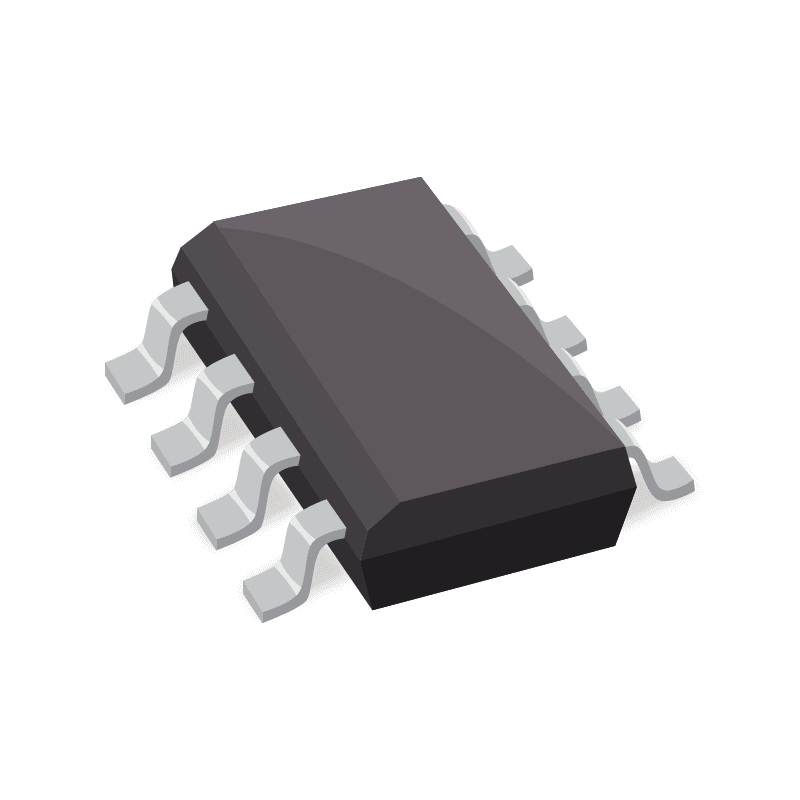
The Analog Devices AD797 is a precision Op Amp amplifier circuit designed for high-performance applications requiring low noise and high accuracy. With a compact SOIC package and a slew rate of 20V/µs, this amplifier is ideal for instrumentation and buffering tasks. It operates efficiently with a maximum supply voltage of 18V and delivers exceptional performance across a wide bandwidth of 110M Hz, making it suitable for demanding electronic designs.
The AD797 Op Amp Amplifier Circuit is designed for high-precision signal processing applications, providing low noise and low distortion amplification. It is commonly used in instrumentation, audio processing, and measurement systems where precise and reliable performance is crucial. Engineers and designers in various industries utilize this amplifier for its exceptional gain bandwidth product and low input offset voltage characteristics.
Fusion’s in-house quality hubs and Prosemi testing facility are fully certified to meet critical industry standards for electronic component inspection and testing.
Quantity
Let us do the sourcing. Even if it's not available now, our team can track it down and tailor a solution just for you.