CDCM9102RHBR
- Description
- Low noise two channel 100-MHz PCIe clock generator 32-VQFN -40 to 85
- PLL
- No
- Datasheet
Quantity
Let us do the sourcing. Even if it's not available now, our team can track it down and tailor a solution just for you.
- Two Channel Clock Generation
- Maximum Frequency: 100 MHz
- Wide Operating Temperature Range: -40°C to 85°C
- Surface Mount Design for Easy Integration
- Lead Free and RoHS Compliant
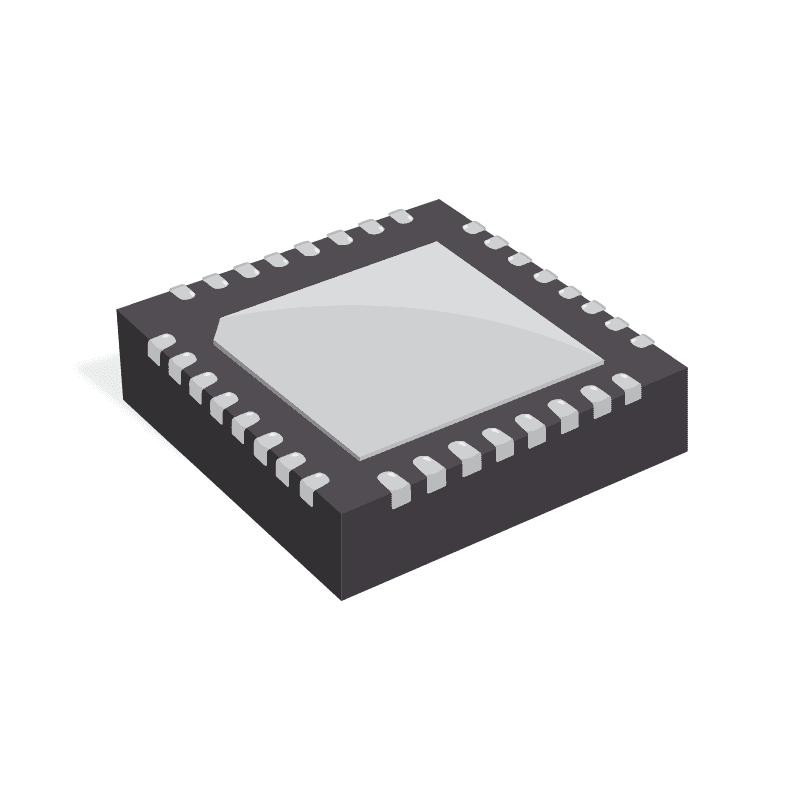
The Texas Instruments CDCM9102RHBR is a low noise two channel clock generator designed for high-performance applications requiring precise timing and synchronization. With a maximum frequency of 100 MHz, this device is ideal for PCIe applications and operates efficiently in a compact 32-VQFN package. It supports a wide temperature range from -40°C to 85°C, making it suitable for various industrial environments. The CDCM9102RHBR ensures reliable clock generation with its surface mount design and gold contact plating, providing excellent performance in demanding conditions.
The Low Noise Two Channel 100-MHz PCIe Clock Generator from Texas Instruments is designed for generating high-frequency clock signals in precision applications. It is commonly used in PCIe interfaces, data converters, and communication systems requiring low jitter and high stability. Ideal for engineers and designers looking for reliable timing solutions, this clock generator features a surface mount VQFN package suitable for compact designs.
Fusion’s in-house quality hubs and Prosemi testing facility are fully certified to meet critical industry standards for electronic component inspection and testing.
Quantity
Let us do the sourcing. Even if it's not available now, our team can track it down and tailor a solution just for you.